ca


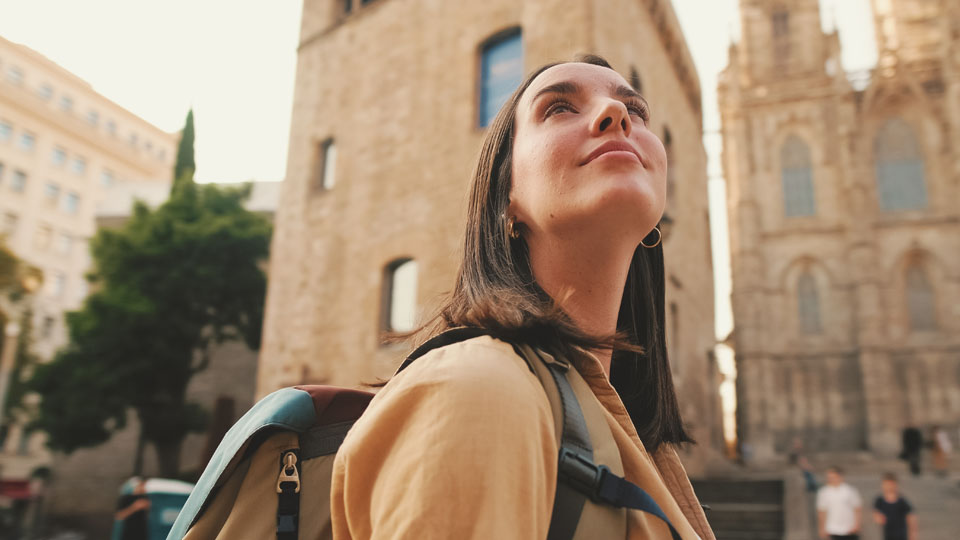
Des que va arribar amb la seva família el 1895, Barcelona ha estat clau per entendre Picasso. Aquí es va formar a l'escola de Belles Arts ubicada a l'edifici gòtic de la Llotja, molt proper al seu domicili als Porxos d'en Xifré, des d'on pintava les teulades i la llum mediterrània de la ciutat.
Les passejades per la Rambla, el parc de la Ciutadella, la catedral o la platja de la Barceloneta van inspirar Picasso, que va establir un vincle molt fort amb Barcelona. Va descobrir l'art romànic català a l'església de Sant Pau del Camp del Raval, que va pintar el 1897. A més, era un assidu del cafè Els quatre gats, als baixos de la Casa Martí, on participava en tertúlies artístiques i literàries.
El 1905 s'instal·la a París i pinta el famós quadre Les demoiselles d'Avignon. És una de les primeres obres cubistes i evoca un prostíbul de Barcelona situat al carrer d'Avinyó.
En una de les seves breus estades posteriors a Barcelona, va treballar en el disseny del vestuari i els decorats de l'espectacle de ballet Parade, que es va estrenar al Gran Teatre del Liceu el 1917, i va aprofitar per pintar el quadre El paseo de Colón, inspirat en l'icònic Monument a Colom.
Com a gran aficionat a les corregudes de bous, Picasso va assistir en una altra ocasió a un espectacle taurí a la plaça de toros de les Arenes, que avui dia és Arenas Barcelona, un centre comercial davant de la plaça d'Espanya que conserva l'antiga façana del 1900.
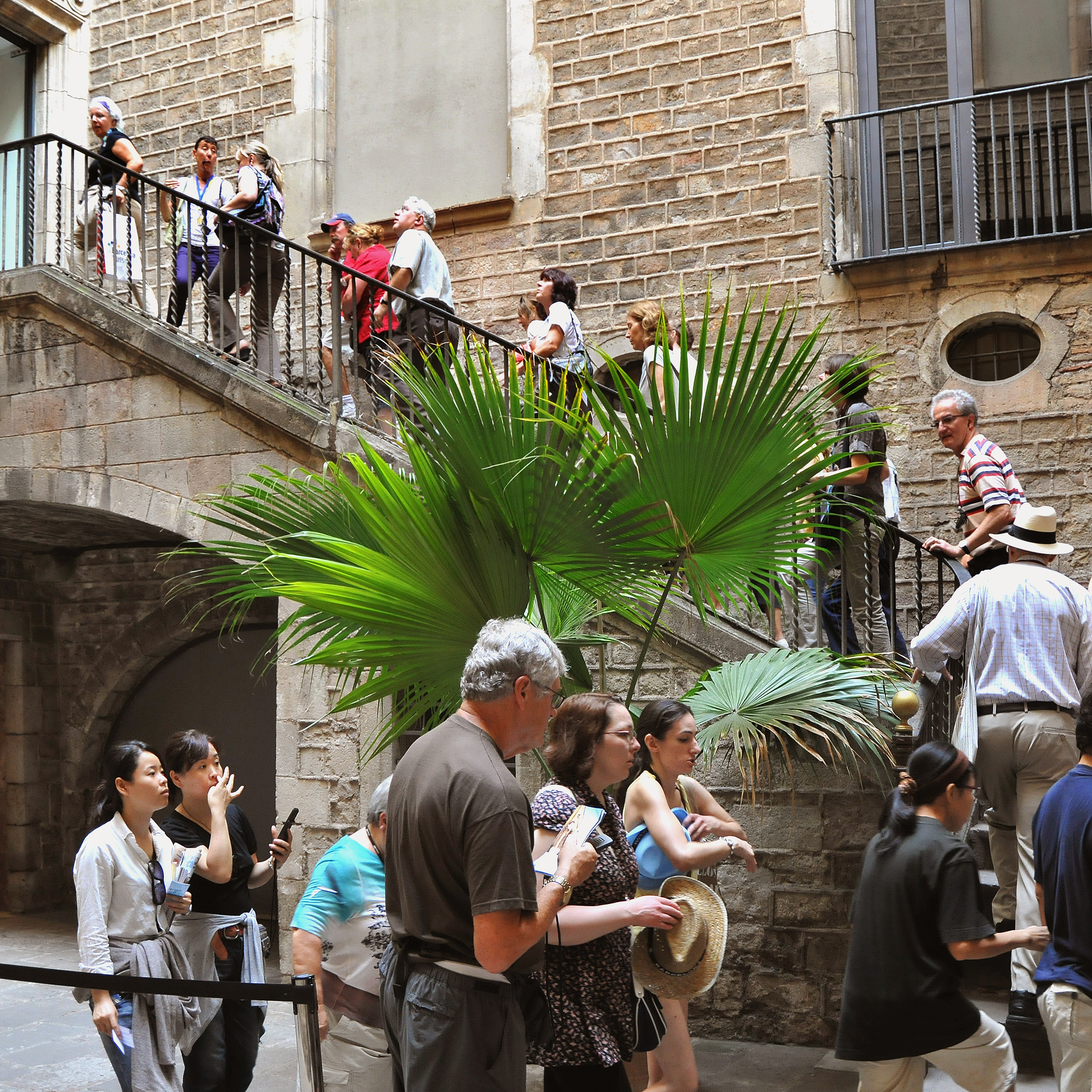
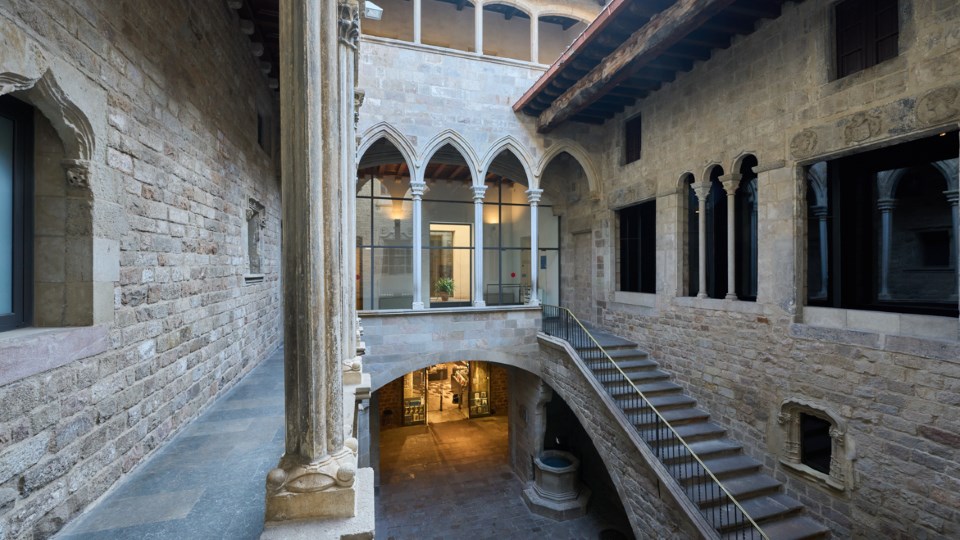
El primer museu del món dedicat exclusivament a Picasso és al carrer Montcada, al barri de la Ribera. Allà podreu contemplar les seves obres de joventut, algunes pintures de l'època blava i la famosa sèrie de Las meninas entre altres peces.