ca





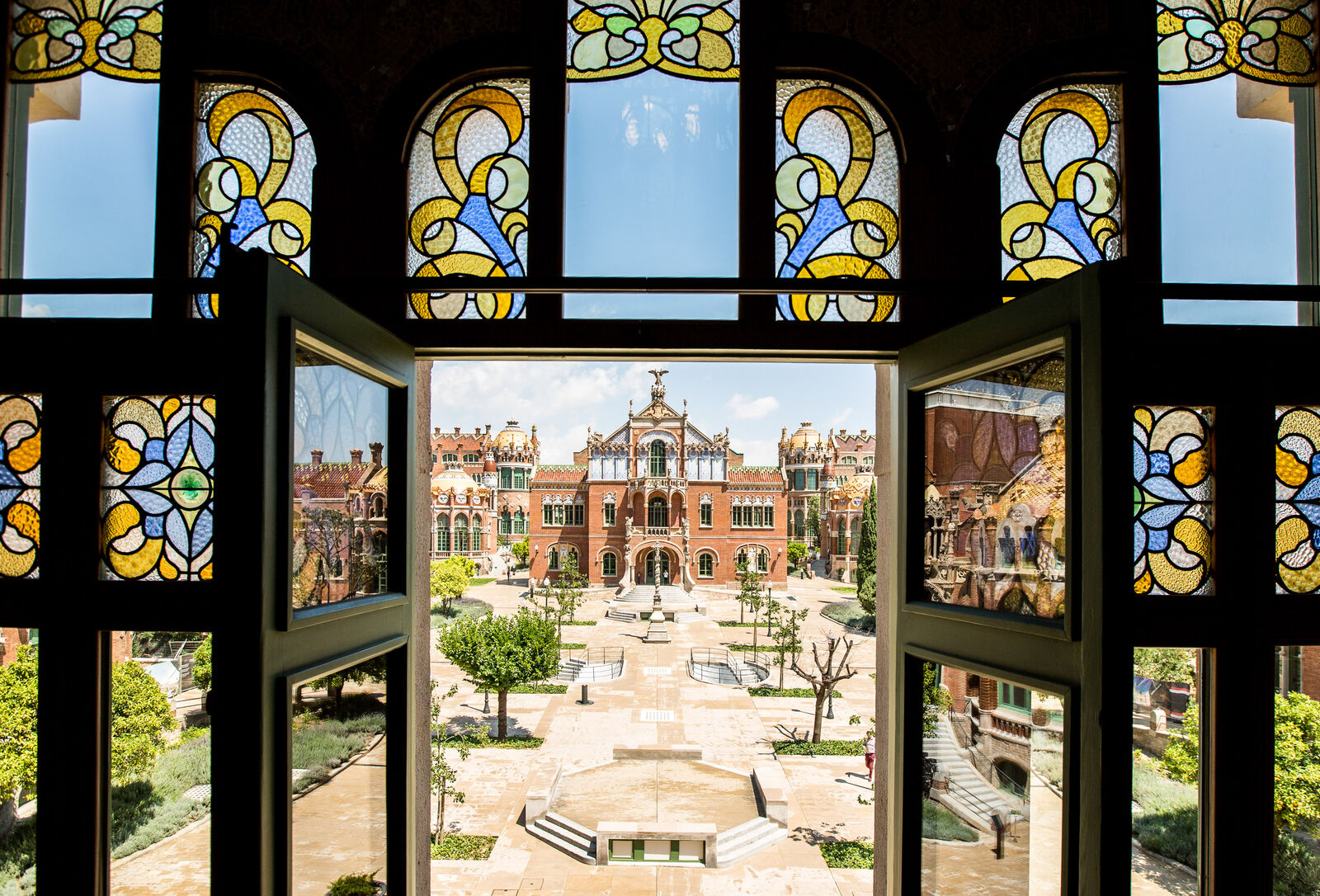
Només un humanista com ell, historiador, docent, polític i arquitecte, podia posar el colofó a la definició de l'estil modernista a Catalunya, basat en una arquitectura moderna de caràcter nacional català. Efectivament, el compromís amb el catalanisme polític i cultural, van marcar la vida i obra d'aquest arquitecte barceloní. Considerat mestre i impulsor de l'estil modernista, va desenvolupar un llenguatge innovador basat en la integració de totes les arts.
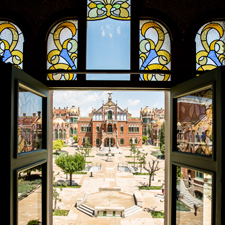
Així, tant en les seves cases privades com ara la Casa Lleó Morera, la Casa Fuster, la Casa Thomas o el Palau Montaner; en les seves aportacions decoratives en monuments com la columna de l'estàtua de Joan Maragall o la barana de ferro forjat del panteó de Josep Anselm Clavé, o en els seus edificis públics més aplaudits, com el Palau de la Música Catalana o el meravellós conjunt de Sant Pau Recinte Modernista, ambdós declarats Patrimoni Universal de l'UNESCO, Domènech i Montaner va saber sintetitzar el refinat gust modernista de línies sinuoses, decoracions vegetals i alt contingut simbòlic, amb estructures formals funcionals i modernes cada cop més lleugeres i racionals.