ca




La Via Laietana de Barcelona, construïda durant la primera meitat del segle XX per enllaçar l'Eixample i el port, obria un nou eix per al tràfic alhora que escapçava la ciutat vella de Barcelona en diversos territoris.
El barri de Santa Caterina i Sant Pere era en aquells moments un barri densificat amb una tradició industrial que en marcava fortament la personalitat. Efectivament, era aquí on al llarg del segle XVIII s'hi havien establert les primeres manufactures tèxtils de Barcelona, hereves de la tradició artesanal del barri. Aquest fet va convertir el barri de Santa Caterina i Sant Pere en un espai proletari, superpoblat i amb precàries condicions de vida.
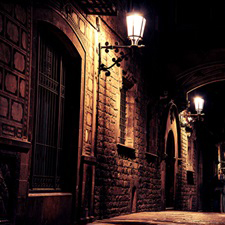
Amb el temps, la política municipal de Barcelona d'intervencions urbanístiques i de millora del barri, han contribuït a dignificar la zona i dotar-la d'equipaments renovats com ara el Mercat de Santa Caterina, restaurat per l'equip d'Enric Miralles i Benedetta Tagliabue. La presència, en el barri de Sant Pere, del Palau de la Música Catalana, joia del Modernisme i Patrimoni de la Humanitat, confirma sense cap mena de dubte l'interès d'aquesta zona. El llegat del monestir romànic de Sant Pere de les Puelles i l'entramat comercial dels carrers principals, també captiven els visitants encuriosits quan passegen pel que fou el primer suburbi de la Barcelona medieval.